Excessive discharge of pollutants into the municipal pipe network! Harbin garbage and feces treatment plant was fined 730 thousand
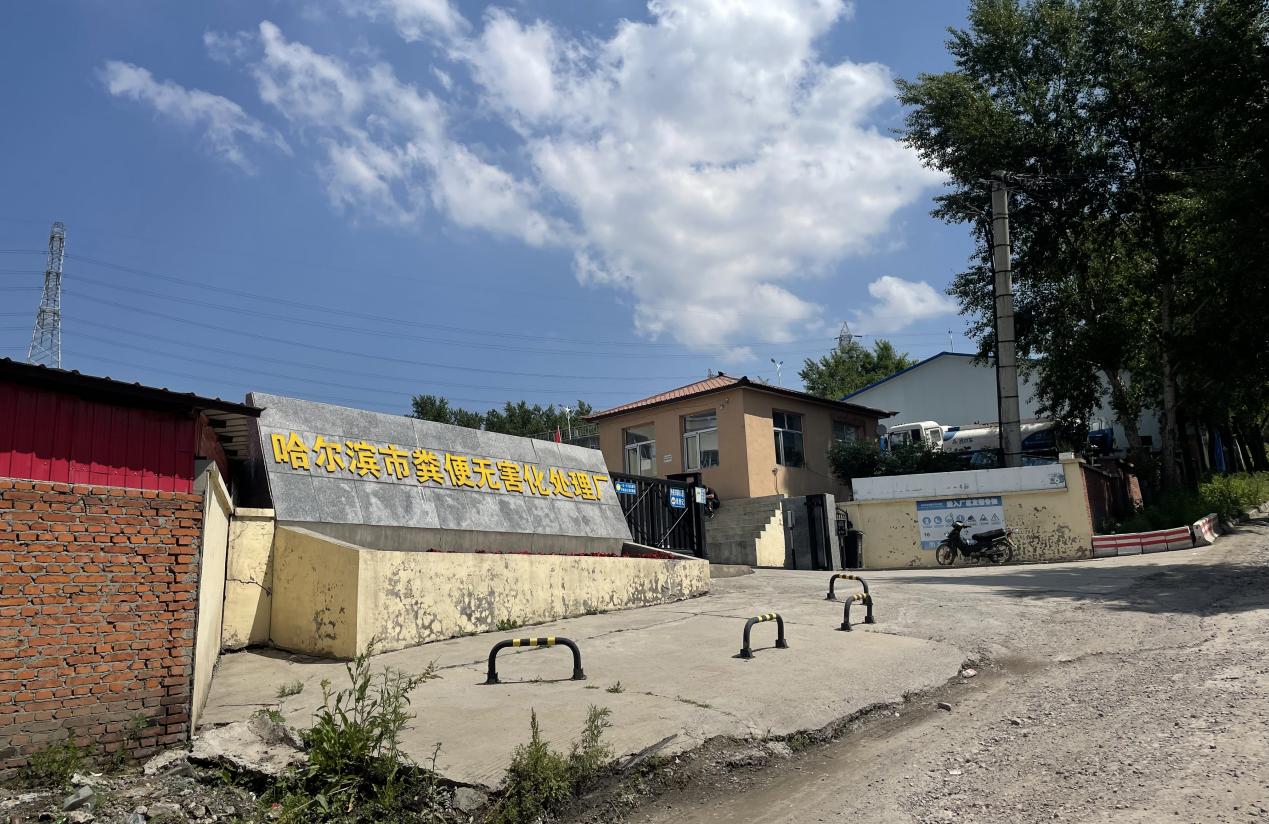
  Cctv news(Reporter Li Wenxue): The unit that should have treated garbage and feces harmlessly discharged sewage into the municipal pipe network. Recently, Harbin garbage and feces harmless treatment plant was fined 730,000 yuan for allegedly violating the water pollution prevention and control law, and the circumstances were particularly serious.

  Harbin Garbage Disposal Plant is located in Gaojiadian Village, Tuanjie Town, Daowai District. It is built by Harbin Urban Construction Investment Group Co., Ltd. and managed by the Municipal Urban Management Bureau. The plant started construction in August 2011, completed the main acceptance and put into trial production in August 2014, and completed the environmental protection acceptance in December 2015; It covers an area of 18,696 square meters, with a building area of 10,284.23 square meters, with a total investment of 93,616,900 yuan and a designed treatment capacity of 500 tons/day. The process of "fecal pretreatment tank+bag anaerobic system +A/O biological reaction tank +MBR membrane system" is adopted, which mainly undertakes the harmless treatment of domestic garbage and feces in the city.

  Harbin Garbage and Manure Harmless Treatment Plant is located on a hillside in Gaojiadian Tun, about 100 meters away from Guodian Road under the slope, and not too far away from Ashe River, a tributary of the south bank of Songhua River. There is a big billboard in the factory, which reads: After the completion of the project, Harbin Urban Management Bureau and Harbin North Environmental Protection Engineering Co., Ltd. signed an entrusted operation agreement, with a term of 30 years, from November 9, 2012 to November 9, 2042.

  Article 10 of the Law on the Prevention and Control of Water Pollution in People’s Republic of China (PRC) stipulates: "The discharge of water pollutants shall not exceed the national or local standards for the discharge of water pollutants and the control indicators for the total discharge of key water pollutants." During the inspection from the night of April 16th to the early morning of April 17th, the eco-environmental department of Harbin City found that the Harbin Garbage and Manure Harmless Treatment Plant discharged sewage into the municipal pipe network of Guodifang Road. The third-party testing company sampled and tested the sewage from the sewage factory connected to the municipal pipeline, and the results showed that it exceeded the standard. The "Heilongjiang Province Environmental Protection Administrative Punishment Auxiliary Calculation Results Table" ruled that the circumstances were particularly serious and the consequences were minor.

  On June 1st, Harbin Bureau of Ecology and Environment made an administrative penalty decision of "Ha Huan Penalty ([2022] No.0220001)" according to the second provision of Article 82 of the Law on the Prevention and Control of Water Pollution in People’s Republic of China (PRC), ordered Harbin Garbage and Manure Harmless Treatment Plant to stop illegal activities and imposed a fine of 734,000 yuan.
The "Stars Plan" for the Training of Young Film Talents in Guangdong Province has achieved initial results.

With the promulgation of "Several Policies and Measures for Promoting the High-quality Development of Guangdong Film and Television Industry", the "Star Plan" for the training of young film talents in Guangdong has been formally included in the provincial policy document. The program was launched in 2024, and 10 incubation works were shortlisted in the first session, of which 6 have received or are applying for the Dragon Label, 5 works were presented at the 15th Beijing International Film Festival, and 1 was selected for market screening at the 78th Cannes Film Festival.
The 2025 "Star Project" declaration channel has been officially opened. As of June 1st, young filmmakers can submit their creative plans with Lingnan characteristics and international expression through official website, Guangdong Film Association. This is not only a talent contest, but also the starting ceremony of the new generation of China films.
Light up the creative road for young filmmakers
Under the background of the national strategy of "building a film power", the Guangdong Film Association officially launched the "Star Project" in 2024. With the goal of "exploring local original power and cultivating international expressive talents", the plan strives to solve the problems of lack of funds, contacts and resources in outstanding young filmmakers’ works, especially the first works, through the trinity training mode of "financial support+creative guidance+resource docking". The selected works will be included in the Guangdong youth film talent pool and will be followed up for a long time.
According to the application rules, the selection of "Stars Project" in 2025 will further focus on "telling the story of Guangdong well and reflecting the style of the Bay Area". The declared project must have a distinctive Lingnan cultural identity, or reflect the integrated development prospect of Greater Bay Area. There are no restrictions on the types of themes, but it is hoped that the creators will not only stick to the cultural roots, but also have the courage to make cross-border innovations.
Many incubation works shine on the international stage
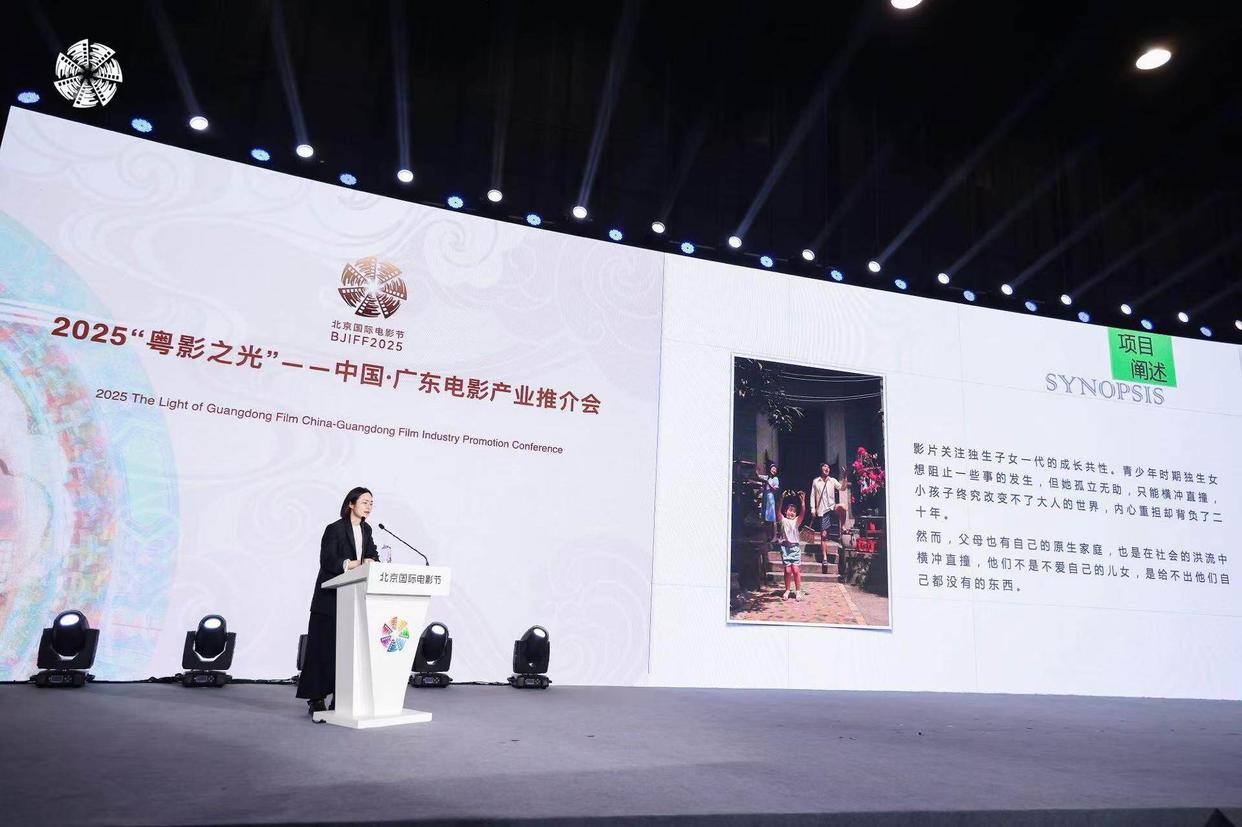
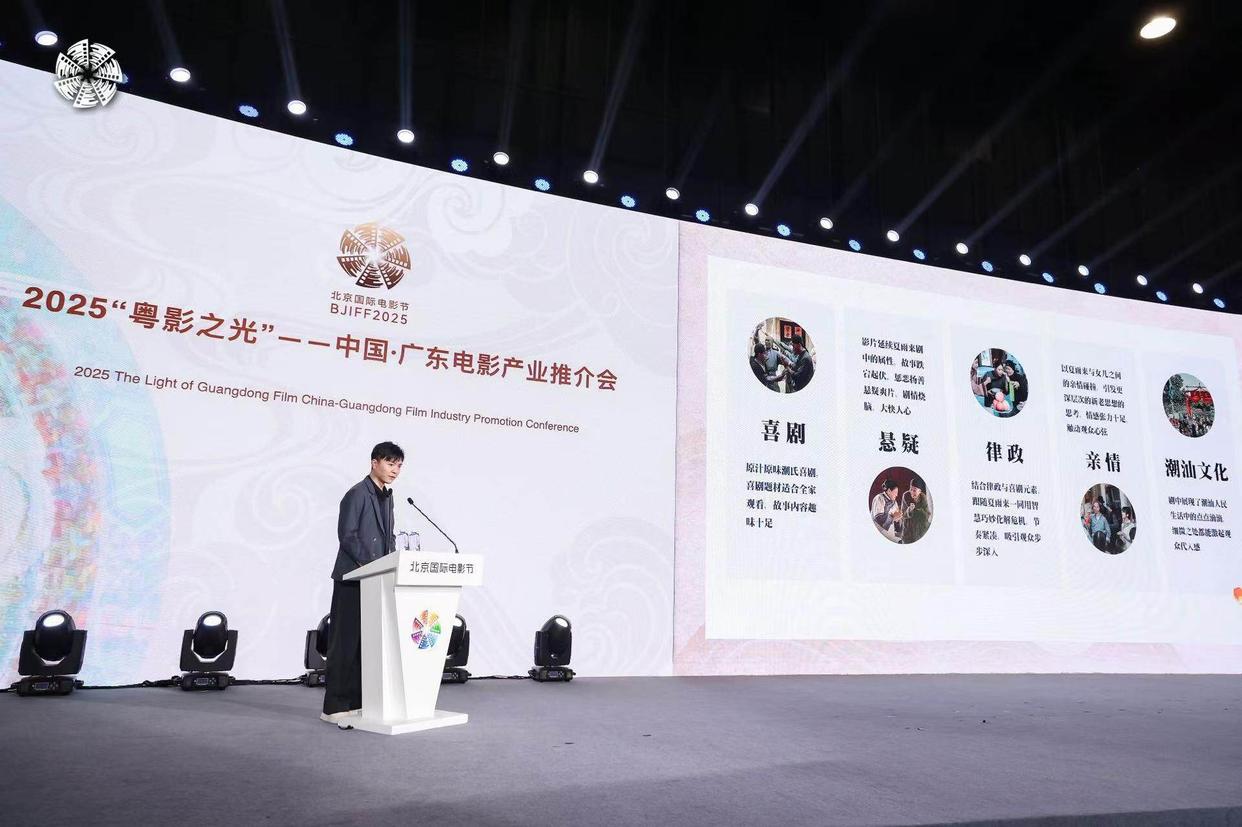
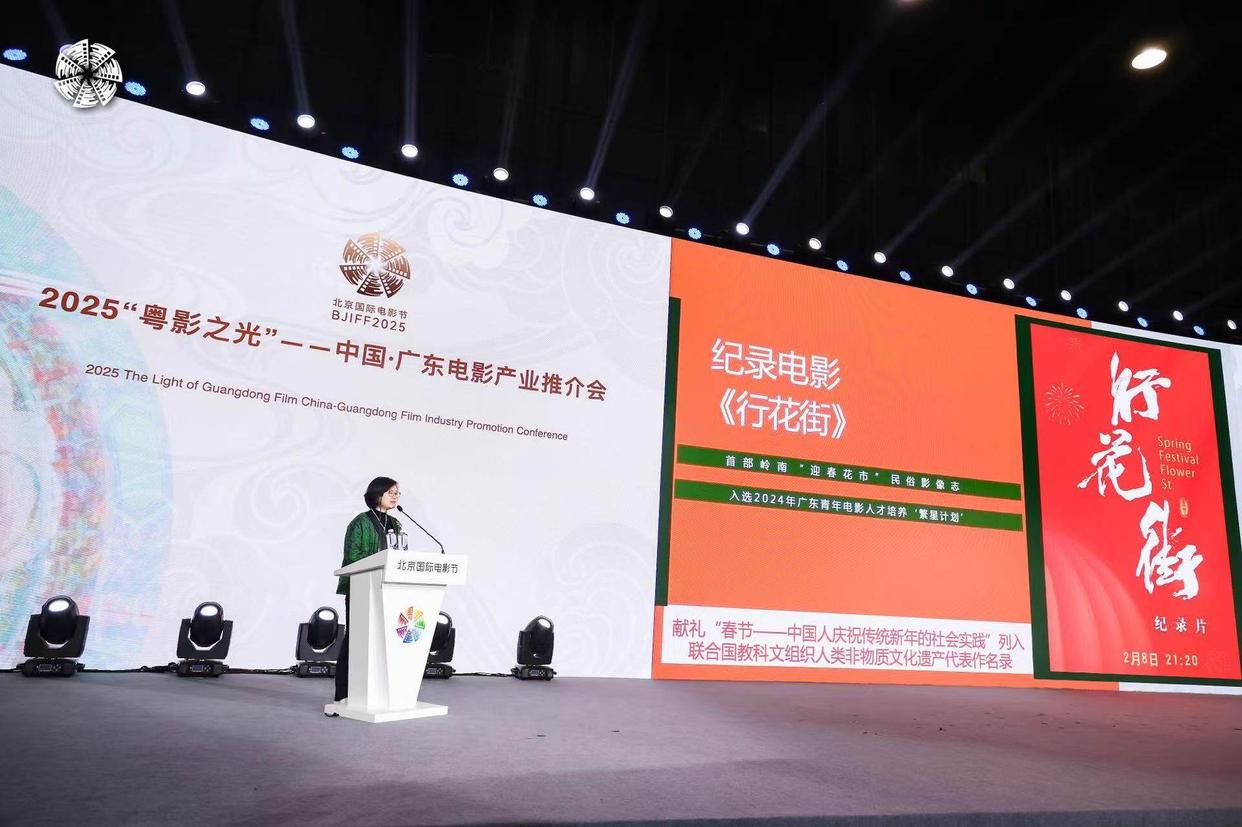
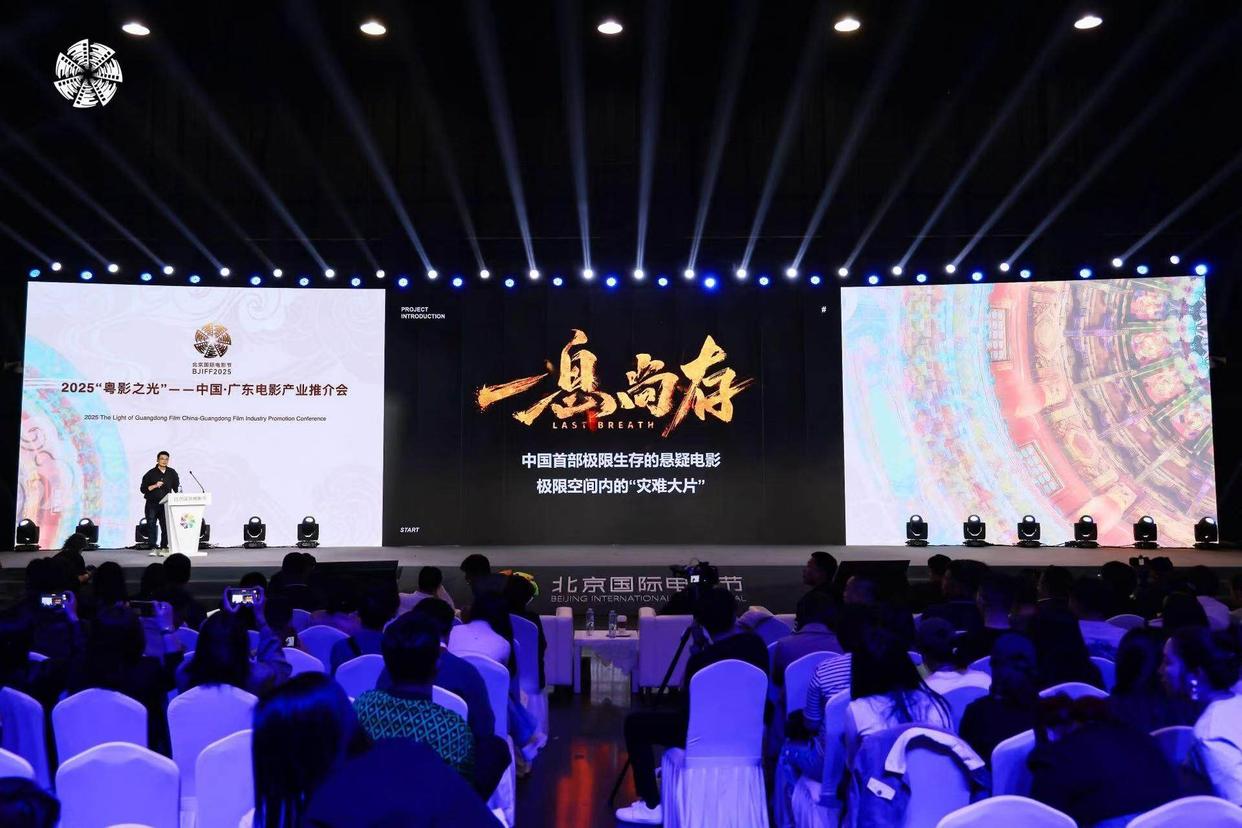
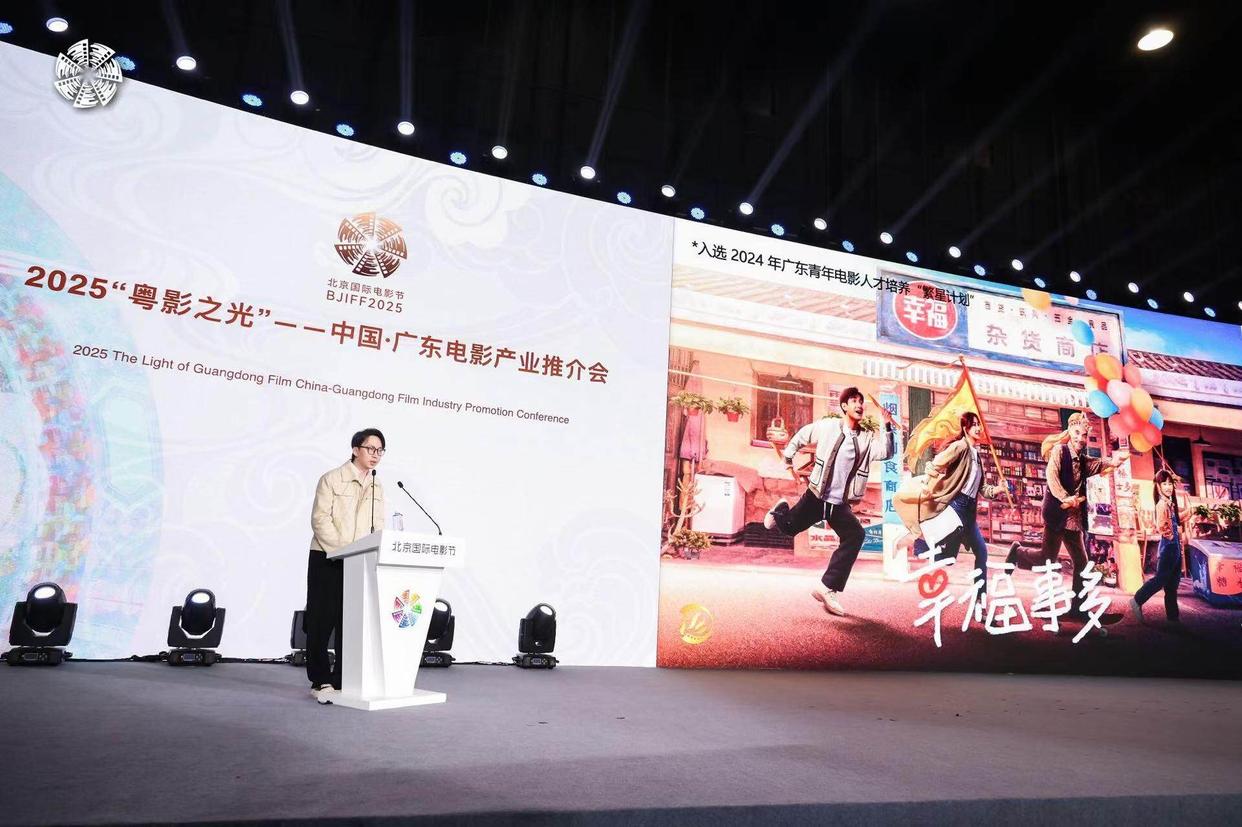
On April 22nd, 2025, the "Light of Guangdong Film" promotion meeting of Beijing International Film Festival became the reviewing ground for the achievements of the "Stars Project". In this promotion activity with Guangdong films as the main venue, five "Star Project" incubating works, One Breath Remains, Many Happiness Events, Twenty-four Flavors, Xia Yulai and Walking Street, appeared together, which aroused strong interest and concern of the film industry, especially young filmmakers.
The bigger breakthrough took place in Cannes, France. On May 15th, local time, at the 78th Cannes Film Festival "China Youth Film Global Promotion Plan", "Twenty-four Flavors" with distinctive Guangdong-made logo stood out from numerous candidate works and became one of the three works to show the world the elegance of young filmmakers in China. Directed by Huang Qiling, a new generation of female directors, this Cantonese-flavor film, starring Zhang Aijia and Zhong Zhentao, was mainly shot in Guangzhou, with the herbal tea shop in the old town of Guangzhou as the narrative origin, showing a vivid cultural picture of the old town of Guangzhou.
Swing Dance, also from the "Star Project", also appeared at the Cannes International Film Festival. This film, which is set in Guangdong and tells about the growth of young people, is created by young film creators rooted in Guangdong, among whom director Liu Xing and screenwriter Duan Tingting teach at the Art College of Jinan University/Pearl River Film Academy.
A series of policies help Guangdong films "go out to sea"
The trips to Cannes of Twenty-four Flavors and Swing Dance show the signs of the "Star Project" from regional support to international export to some extent. His creative track is just the epitome of the effectiveness of the "Stars Project"-Huang Qiling, the director of "Twenty-four Flavors", was shortlisted for the short film competition unit of Amsterdam Documentary Film Festival, and now he has completed the leap from experimental images to commercial films with the support of the "Stars Project"; In March this year, Swing Dance won the WIP and White Light Post-production awards of the Hong Kong International Film Festival 2025 Film Industry Office Project Market Film Awards, so it was selected into the Cannes Plan of the Hong Kong Asian Film Investment Association (HAF).
Standing at the historical node of China’s film industry, Guangdong is trying to lay a solid foundation for a big film province to move towards a strong film province through the long-term contribution of training young film talents. The "Star Project" is one of the important measures. In recent years, Guangdong has issued a series of supporting and promoting policies, organized a series of film activities, and launched a number of excellent film works, gradually building a complete ecological chain from creative support, technological empowerment to cross-border co-shooting. White Snake and other Guangdong-made films frequently go to sea, which makes Guangdong films further "out of the circle" overseas.
From the bank of the Pearl River to the Cô te d ‘Azur, the "Star Project" not only illuminates the creative path of young filmmakers, but also reflects the firm steps of Guangdong films climbing from the plateau to the peak. Every time the "stars" shine, they are playing a movement for the international expression of China’s story.
Text | Reporter Li Li
Reporting/feedback